Franz Josef Glacier: Your guide to glacier experiences & alpine landscapes
What is Fox Glacier?
Franz Josef Glacier is one of New Zealand’s most famous glaciers, flowing from the high peaks of the Southern Alps down toward temperate rainforest on the West Coast of the South Island. Formed over thousands of years, the glacier is known for its dramatic icefalls, deep crevasses, and striking contrast between snow, forest, and rugged mountains.
Unlike many glaciers worldwide, Franz Josef is easily accessible through guided heli hikes, scenic helicopter flights, and adventure activities like skydiving. Whether viewed from above, explored on foot with expert guides, or admired from nearby walking tracks, the glacier offers a powerful glimpse into New Zealand’s dynamic alpine environment.
Plan your visit to Franz Josef
Opening hours: Most Franz Josef flight, heli-hike, and skydiving operators run daily between 8am and 5pm, with departure times staggered throughout the day depending on weather and demand.
Duration:
Scenic helicopter flights: 20–40 minutes in the air
Heli-hike experiences: 3–4 hours total, including gear-up and glacier time
Skydiving experiences: 2–3 hours overall, depending on jump altitude and conditions
Best time to visit: Franz Josef is a year-round destination, but October to April offers longer daylight hours and generally more stable weather. Morning departures are often best for clearer skies and smoother conditions, especially for scenic flights and skydiving.
Franz Josef Glacier is located on New Zealand’s West Coast, within Westland Tai Poutini National Park. The glacier is accessed via Franz Josef Glacier township, which serves as the base for heli hikes, scenic flights, skydiving, and walking tracks. The area is surrounded by rainforest, rivers, and alpine scenery, making the journey part of the experience.
Address: West Coast Region 7886, New Zealand. Find on Map.
Distance: Franz Josef Glacier is approximately 330 km from Christchurch (around 5–6 hours’ drive via Arthur’s Pass) and about 285 km from Queenstown (around 4–5 hours’ drive via Haast Pass).
Transfers: Most visitors arrive by self-drive or coach. Public transport options are limited, but long-distance buses service the West Coast. Once in Franz Josef township, tours depart from nearby bases, with transfers to helipads or activity sites typically included as part of the tour.
Top spots to see at & around Franz Josef Glacier
1/7
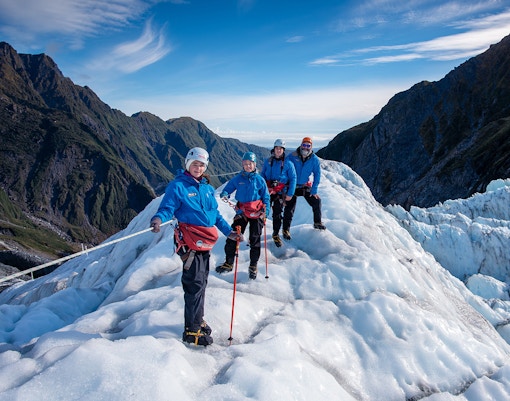
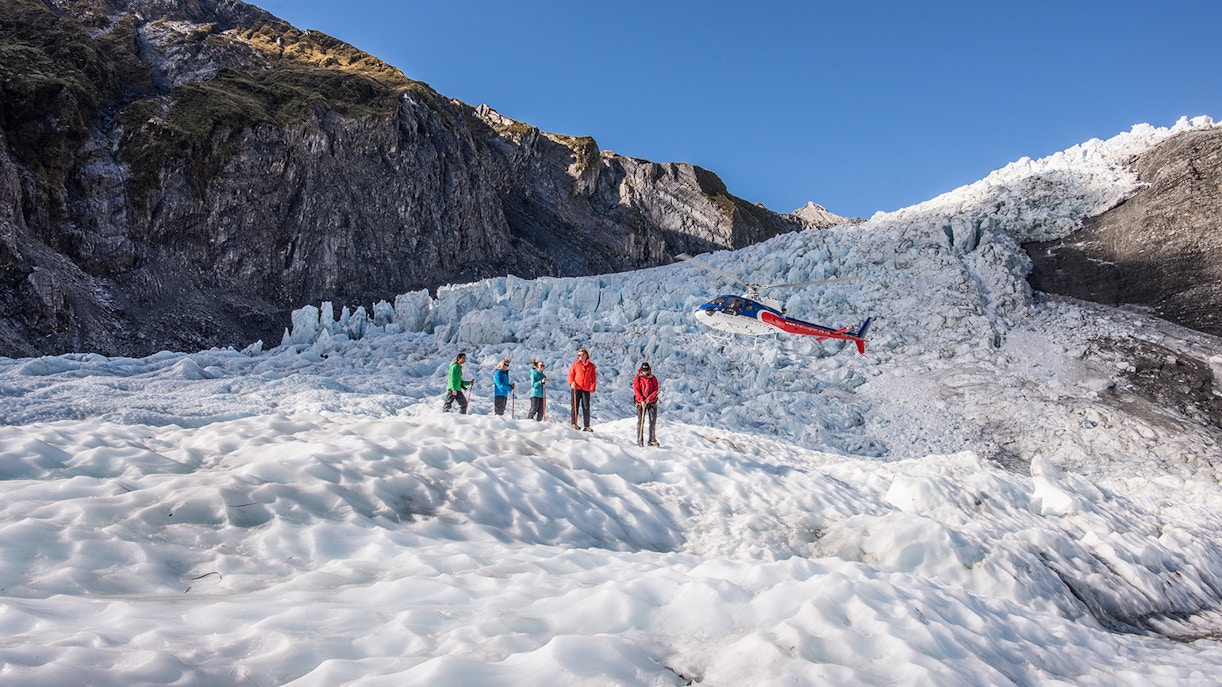
Franz Josef Glacier heli hike
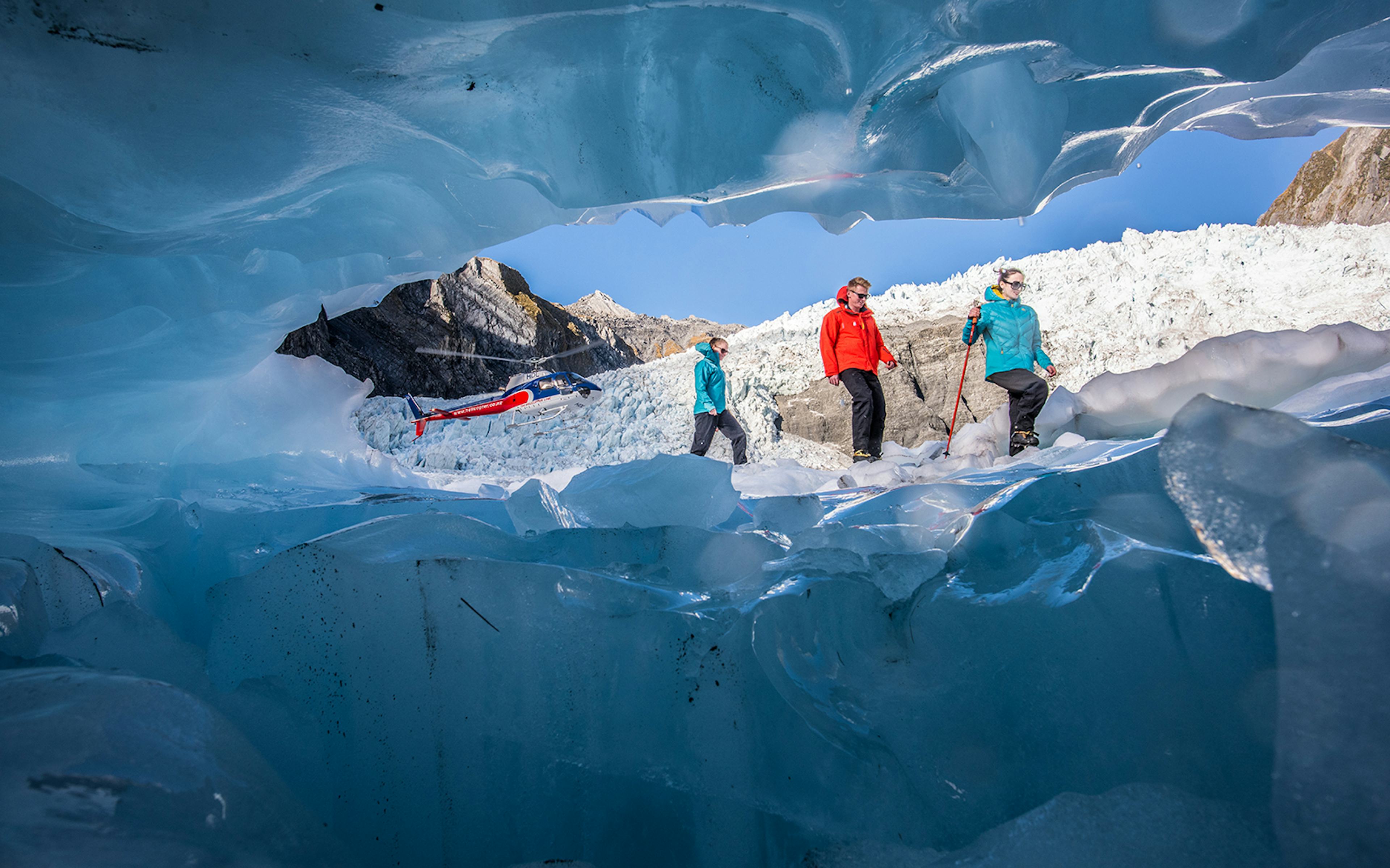
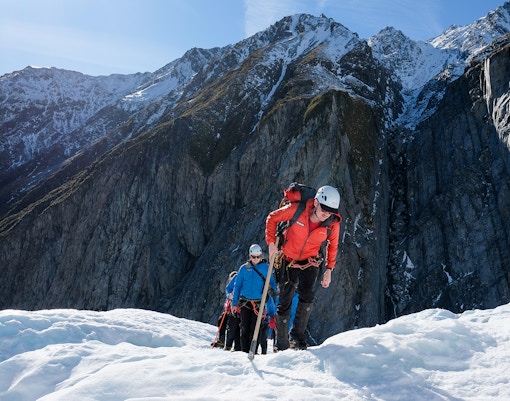
A signature experience combining a scenic helicopter flight with a guided walk on the glacier. Explore ice caves, crevasses, and dynamic ice formations with expert guides.
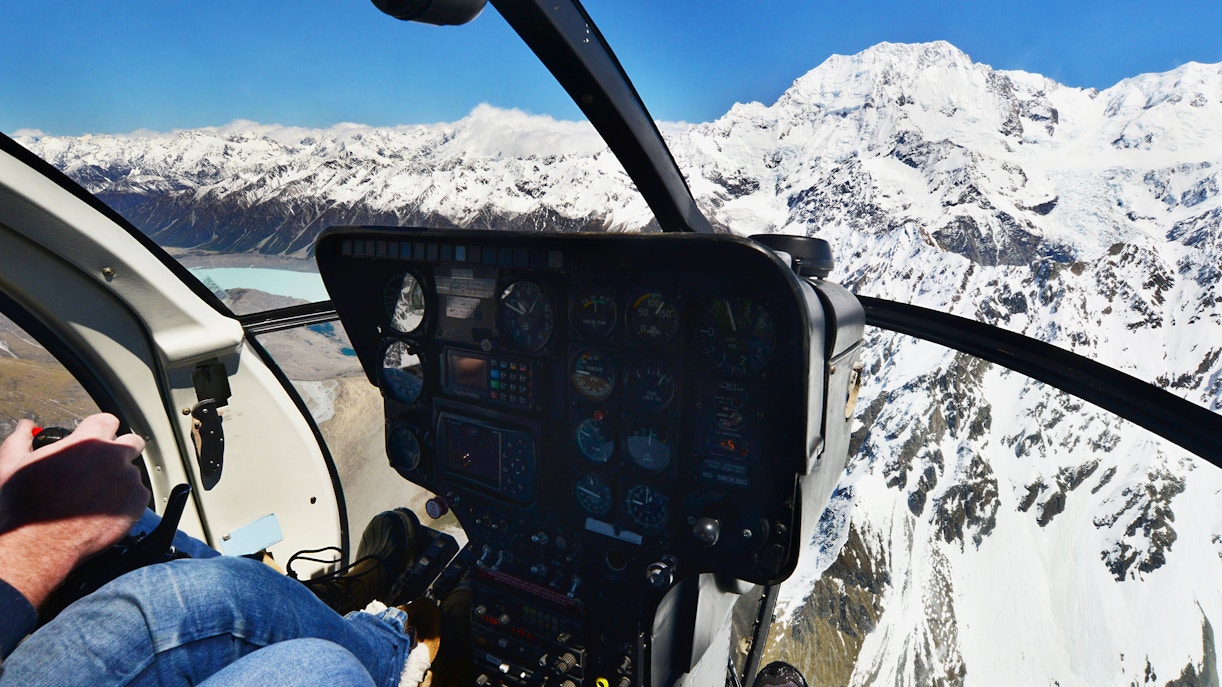
Scenic helicopter flights
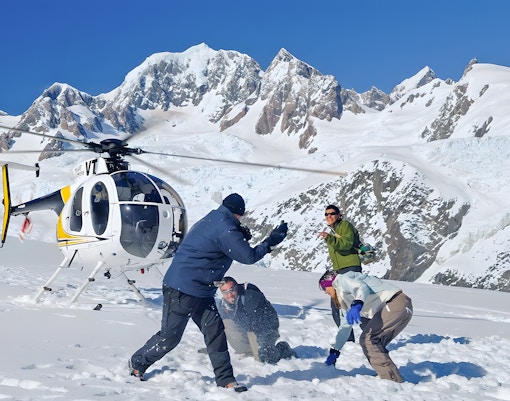
Soar above Franz Josef and Fox Glaciers for sweeping views of alpine peaks, icefalls, and rainforest. Many flights include a snow landing for photos.
Franz Josef Glacier walk
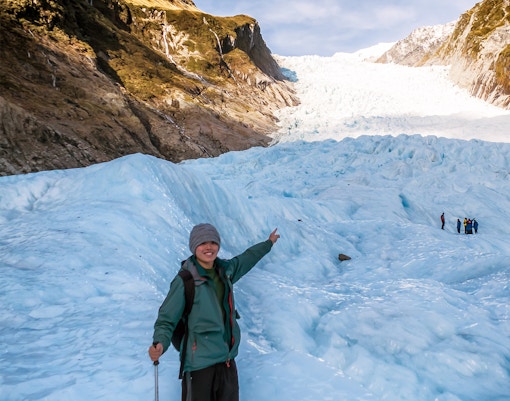
An easy, well-marked walking track through native rainforest leading to glacier viewpoints. Ideal for visitors who want to experience the landscape without a guided tour.
Tandem skydiving
Freefall above glaciers, mountains, rainforest, and coastline for one of New Zealand’s most scenic skydiving experiences.
Lake Matheson
Famous for its mirror-like reflections of Aoraki / Mount Cook and Mount Tasman on calm days. One of the most photographed spots on the West Coast.
Fox Glacier
Located a short drive south, Fox Glacier offers dramatic ice formations and is often paired with Franz Josef in helicopter tours.
Westland Tai Poutini National Park
A vast protected area featuring glaciers, rivers, rainforests, and alpine terrain. Perfect for short walks and scenic stops.
History of Franz Josef Glacier through the years
Pre-1800s
Ngāi Tahu Māori know the glacier as Kā Roimata o Hine Hukatere (“the tears of Hine Hukatere”). According to legend, the glacier was created from frozen tears after a tragic loss in the mountains, giving the site deep cultural and spiritual significance.
1865
German geologist Julius von Haast maps the glacier and names it Franz Josef Glacier in honour of Emperor Franz Joseph I of Austria.
Late 1800s – early 1900s
The glacier becomes a major attraction for explorers, scientists, and early tourists due to its rare accessibility from low altitude.
1940s–1980s
Franz Josef Glacier experiences periods of gradual retreat, consistent with global post-glacial warming trends.
1990s – early 2000s
The glacier undergoes a notable advance, temporarily growing and attracting renewed scientific interest.
2008 onwards
Accelerated retreat begins, linked to rising regional temperatures and reduced snowfall. Lower glacier access becomes increasingly unstable.
2012–2016
Repeated flooding and rockfall events damage access routes, leading to the closure of unguided valley access to the glacier face.
Present day
Franz Josef Glacier continues to retreat and is carefully managed within Westland Tai Poutini National Park. Access to the ice is now limited to guided heli hikes and aerial experiences, balancing visitor safety with conservation.
Tips for visiting Franz Josef Glacier
Visit early or late in the day: Early mornings and late afternoons are quieter and offer better light for photos with fewer crowds.
Use designated tracks only: Glacier terrain is unstable. Never walk onto the ice or riverbeds without a certified guide.
Plan extra time for viewpoints: Even if tours are cancelled, glacier viewpoints and valley walks still offer rewarding experiences.
Prioritise glacier activities early in your stay: Book heli-hikes or scenic flights for your first available day so you have backup days if conditions change.
Choose the right experience for your comfort level: Heli-hikes suit active travellers comfortable with ice terrain, while helicopter flights and valley walks offer excellent views with minimal physical effort.
Slow down in the village: Franz Josef is more than the glacier. Thermal pools, rainforest walks, and local cafés make great fallback experiences on poor-weather days.
Frequently asked questions about Franz Josef Glacier
Franz Josef Glacier (Kā Roimata o Hine Hukatere) is a temperate maritime valley glacier, meaning it forms in a wet climate and flows rapidly compared to many other glaciers worldwide.
The glacier formed around 7,000 years ago during the last ice age and has gone through multiple cycles of advance and retreat since then.
Franz Josef Glacier is on New Zealand’s South Island West Coast, within Westland Tai Poutini National Park, about a 5-minute drive from Franz Josef village.
No. For safety reasons, access onto the glacier ice is only permitted with licensed guides. Unguided visitors can explore marked valley tracks and viewpoints.
Popular options include heli-hikes (helicopter + guided glacier walk), scenic helicopter flights, guided ice walks, and short walks to glacier viewpoints.
Native birds such as kea, tūī, and kererū inhabit the surrounding rainforest, while alpine insects and mosses thrive near the ice margins.
Yes, Fox Glacier is accessible by car via State Highway 6. The drive from Franz Josef Glacier takes about 30 minutes. The roads are well-maintained, but caution is advised, especially in winter when conditions can be icy. There are several scenic stops along the way.
Yes, you can view Fox Glacier from the ground by hiking to the Fox Glacier Viewpoint. While this provides a distant view, the experience of being on the glacier itself requires a guided tour or helicopter hike.